

Supply Chain
Supply Chain
Supplier Performance
The component compliance rate (CCR) is a performance measurement system used to evaluate the quality compliance of raw material suppliers. The evaluation is conducted across five (05) parameters, with each parameter carrying a maximum of 20 marks, totaling 100 marks. Through this system, supplier performance can be assessed to identify consistent performers and highlight areas requiring improvement. The CCR is evaluated after the arrival of raw materials on weekly basis for all incoming materials. This ensures transparency, accountability and continuous monitoring of supplier quality performance.
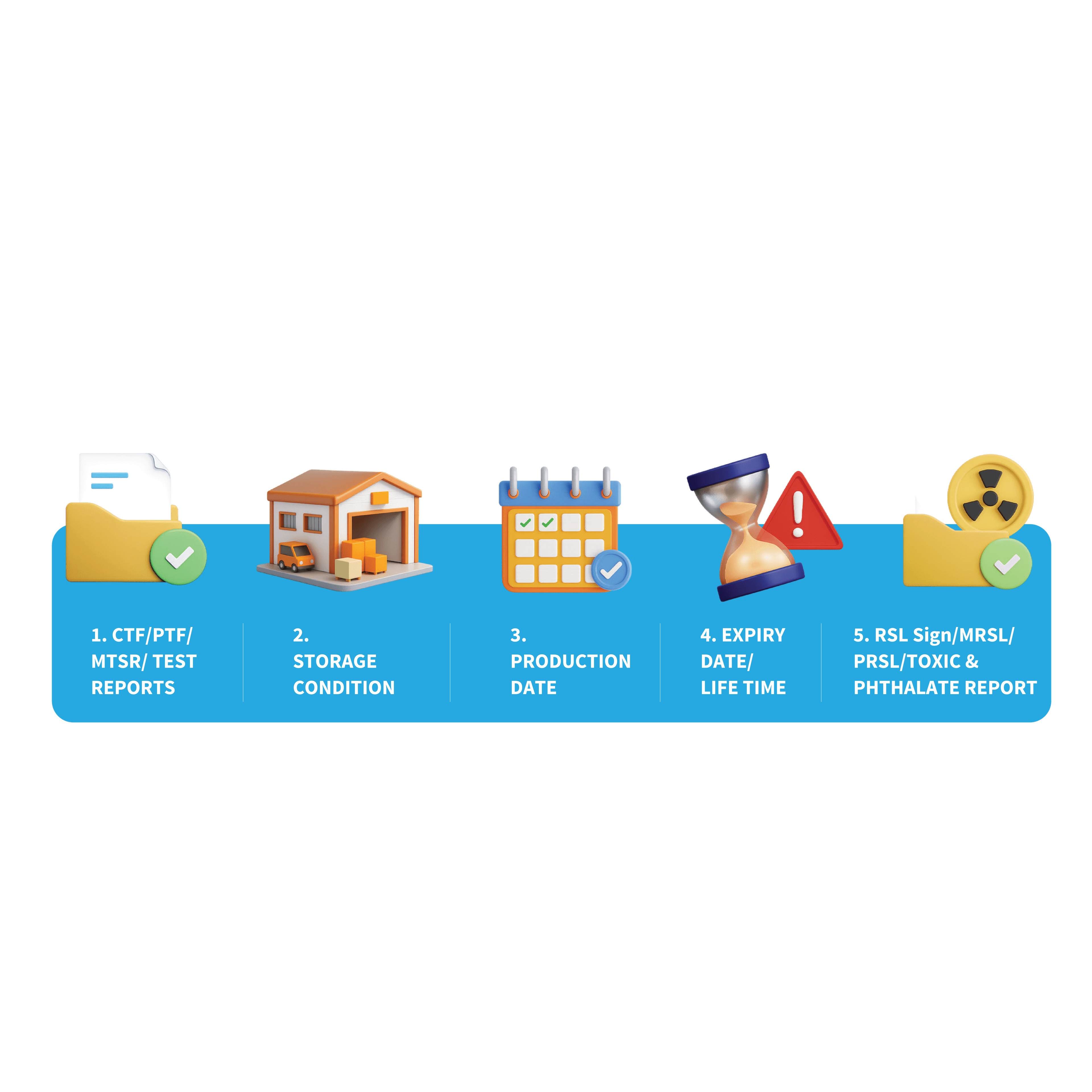
Procurement Practice - SR report
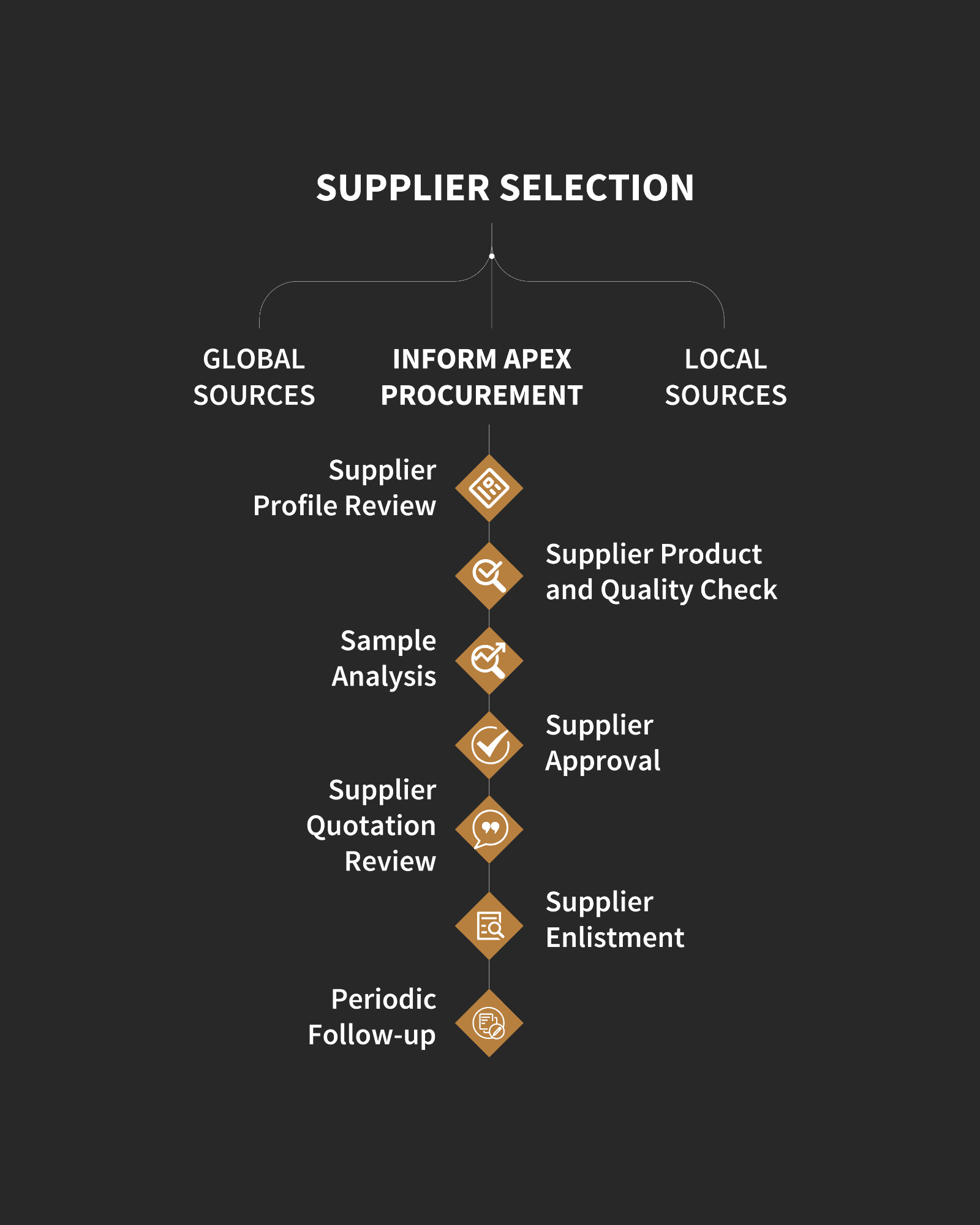
At Apex, suppliers play a crucial role in providing essential raw materials. To ensure quality and reliability, we maintain an approved supplier list currently consisting of 31 suppliers, including both direct suppliers and indenters. Our collaborative selection process involves evaluation by our Purchase Officer and Management Representative, considering factors such as environmental impact to align with sustainable sourcing practices.
New suppliers at Apex undergo a thorough evaluation by our Leadership Team in collaboration with the Head of Procurement. We assess various aspects such as financial stability, production capabilities, quality control measures, and ethical and legal compliance. Only approved suppliers are added to our list. In addition, we promote healthy competition and fair business practices, taking swift action against non-competitive or monopolistic behavior to ensure fairness and transparency in our procurement processes.
Furthermore, continuous improvement is central to our procurement practice. We regularly update our evaluation criteria to maintain high standards and foster strong relationships with approved suppliers through open and transparent communication. Overall, our rigorous procurement practices ensure a sustainable supply chain, enabling us to deliver quality products to our customers.
Localization
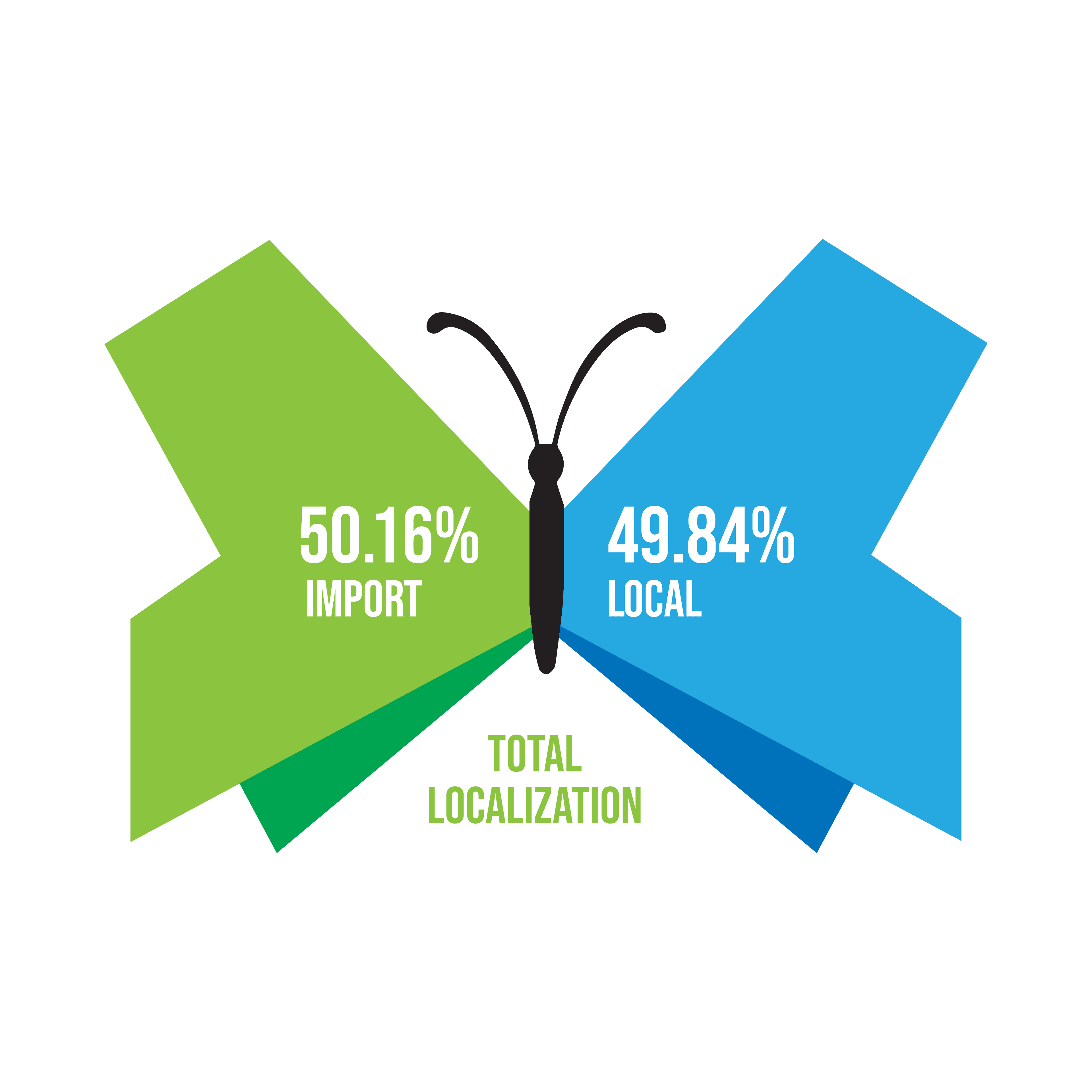

Supporting local industries by strengthening the domestic supply base, generating employment, and reducing logistics-related emissions.

Maintaining global quality standards through strategic imports of specialized materials not readily available in Bangladesh.

Risk diversification by reducing overdependence on either local or international supply channels.
100% FSC Packing Solution

Responsible Supply Chain Practices